


Back to Blog
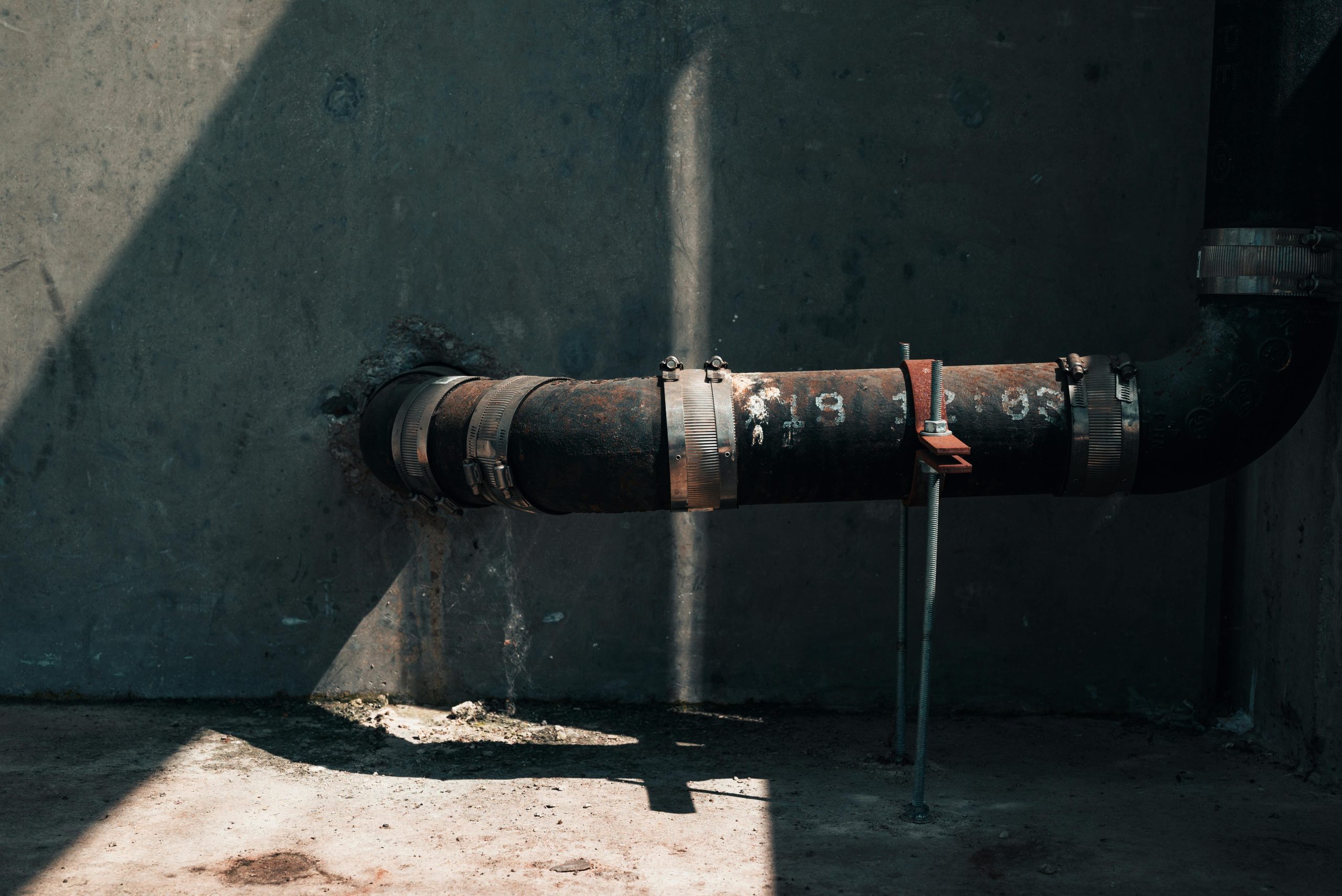
A failing sewer line is one of the most serious plumbing issues a homeowner can face. Unlike a minor blockage or slow drain, sewer line damage can affect multiple parts of the property at once and often becomes much more expensive if it is ignored.
For Melbourne homeowners, the early signs are not always obvious at first. What looks like a simple drain problem can actually point to deeper pipe damage, ground movement, root intrusion or a sewer line that is starting to collapse underground.
Knowing what to watch for can help you act earlier, reduce property damage and avoid a more disruptive plumbing emergency later. In many cases, the sooner the issue is investigated, the more repair options may still be available.
What Causes Sewer Line Damage in Melbourne
Sewer lines can deteriorate for several reasons. In Melbourne properties, common causes include ageing pipework, tree root intrusion, shifting soil, corrosion, ground movement and repeated blockages that place extra pressure on weakened sections of pipe.
Older homes are often more vulnerable because underground sewer pipes may already have cracks, worn joints or materials that have reached the end of their service life. Once structural weakness starts developing, the pipe can gradually sag, fracture or collapse, especially when other factors such as roots or heavy ground moisture are involved.
Understanding the likely cause matters because repair decisions are not only about clearing the blockage. They are about dealing with the condition of the sewer line itself and preventing the same issue from returning.
Warning Signs of a Failing Sewer Line
A failing sewer line usually affects more than one fixture. If several drains in the home are slowing down, backing up or producing unpleasant smells at the same time, the issue may be deeper in the sewer line rather than inside one isolated drain.
Other common warning signs include recurring blockages, gurgling sounds from toilets or drains, wastewater backing up into lower fixtures and damp or foul-smelling areas outside near the sewer path. These signs should not be brushed off as minor plumbing nuisances, especially if they keep returning after temporary drain clearing.
When multiple symptoms appear together, it is often a sign that a standard blockage is not the only problem. Structural sewer pipe damage Melbourne homeowners cannot see from the surface may already be developing underground.
Multiple Drains Backing Up
If more than one drain is backing up at the same time, it often points to a problem in the main sewer line. A blockage or collapse in that line can prevent wastewater from moving away from the property, causing it to return through the lowest or most frequently used fixtures.
This is one of the strongest signs that professional investigation is needed. When sinks, showers, toilets or floor drains are all being affected, the problem usually goes beyond a simple local blockage.
Bad Smells Around the Property
Persistent sewage smells inside the home or around the yard can indicate that wastewater is not flowing properly through the underground line. If the sewer pipe is cracked, damaged or collapsing, gases and waste odours may escape through the soil or around affected plumbing points.
These smells are more than just unpleasant. They are often an early warning sign that the sewer system is compromised and needs proper inspection.
Wet Patches in the Yard
Wet, soggy or unusually green sections of the yard can sometimes point to a damaged sewer line leaking underground. If there has been no recent rain and one area of the property remains damp, the cause may be wastewater escaping from a cracked or collapsed section of pipe.
This is one of the outdoor signs that should be investigated quickly, especially if it appears alongside drain backups or strong odours. By the time wet patches become visible, the sewer issue may already be more advanced than it first appears.
How Plumbers Diagnose Sewer Problems
A sewer problem cannot be confirmed properly from surface symptoms alone. This is why professional diagnosis usually involves a CCTV drain inspection. A specialised camera is fed through the line so the plumber can see whether the issue is being caused by roots, heavy blockage, broken joints or a collapsed sewer line.
This type of inspection removes guesswork and helps determine the exact condition of the pipe. For homeowners, it also makes it easier to understand whether the problem can be cleared, relined or whether part of the line needs replacing.
Repair Options: Relining vs Replacement
The right repair depends on the extent of the damage. In some cases, pipe relining may still be possible if the sewer line is damaged but not fully collapsed. Relining can restore the integrity of the pipe internally without the same level of excavation required for full replacement.
If the line has collapsed severely or sections are no longer structurally sound, excavation and replacement may be necessary. A professional sewer inspection helps determine which option is more suitable based on the actual condition of the pipe, not just the symptoms appearing at the surface.
A collapsing sewer line is not something to leave to chance. The warning signs often begin subtly, but once the issue worsens, the repair process can become more disruptive and more expensive.
For Melbourne homeowners, acting early is the best way to protect the property and keep repair options open. If there are recurring backups, sewage smells or signs of underground leakage, a proper inspection can help identify the problem before it turns into a larger plumbing emergency.
Frequently Asked Questions
Recent Posts



Get In Touch With Us
Get in touch with our plumbing experts 24/7. We fix leaks, clogs, and emergencies quickly with reliable service.
Enquire Today